


Material Selection Shapes the Final Product
Material selection is one of the most important decisions in bag development because it affects appearance, structure, weight, durability, hand feel and commercial positioning.
For brands, importers and sourcing partners, choosing between genuine leather, textiles, synthetics or hybrid constructions should be based on the intended use of the product, target market, design direction and performance requirements.
The right material choice also needs to work with the product’s construction, reinforcement, hardware and finishing methods so the approved sample can be reproduced consistently in bulk production.
Comparing Material Options for Bag Development
1. Genuine Leather
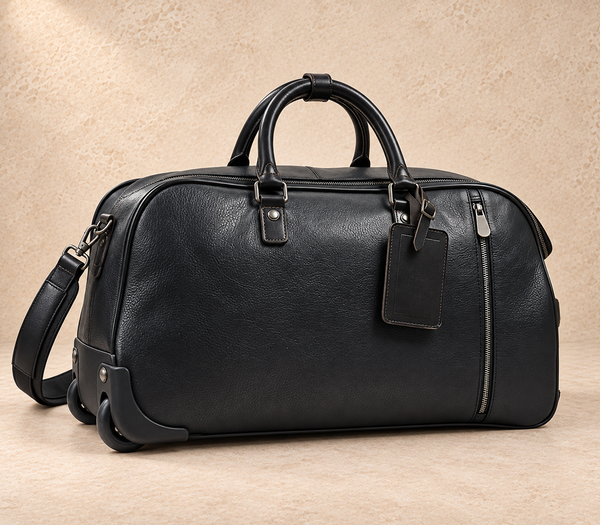
Genuine leather remains a strong choice for bags positioned around premium appearance, natural character and long-term durability. The final result can vary significantly depending on the leather type, thickness, temper, grain and finish selected during development.
For more structured bags, buyers may prefer firmer leathers with greater body. Softer constructions may require more flexible leather and different reinforcement methods.
Buyer Consideration: Leather selection should be evaluated together with the intended product shape, weight, price positioning and finishing method rather than treated as an isolated material decision.
2. Textiles and Canvas
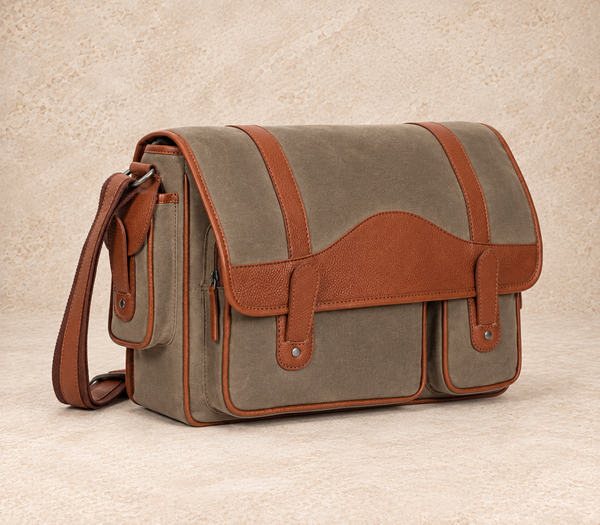
Textiles and canvas can be effective choices for programmes that require a lighter-weight, more casual or utility-driven construction. Their appearance and performance depend on factors such as fabric weight, weave, backing, coating and reinforcement.
Canvas may offer a more rugged visual character, while other textile constructions can support cleaner, lighter or more technical product directions. These materials can also work well when combined with leather trims, webbing or other components.
Buyer Consideration: When specifying textiles, buyers should confirm the required fabric weight, surface finish, colour consistency and any performance expectations relevant to the intended use.
3. Synthetic Materials
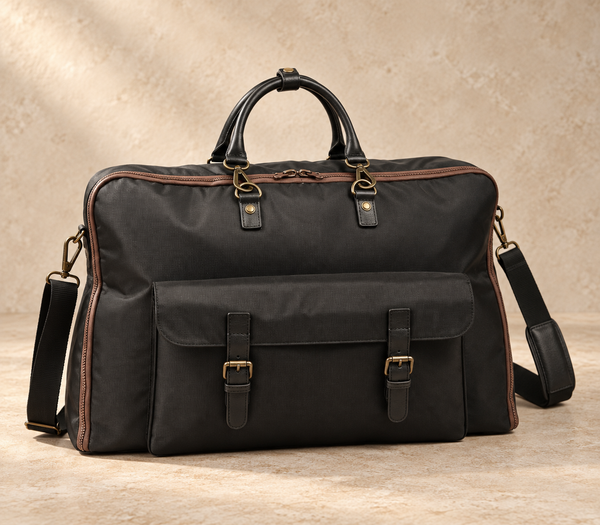
Synthetic materials can support a wide range of product directions, from lightweight and easy-care bags to more structured or performance-focused constructions. Depending on the application, they can also offer greater consistency in colour, surface appearance and thickness.
Different synthetic materials behave differently during cutting, stitching, folding, bonding and edge finishing, so the material should be evaluated together with the intended construction method.
Buyer Consideration: Buyers should define the required appearance, hand feel, flexibility, durability and any programme-specific performance requirements before finalising a synthetic material for sampling.
4. Hybrid Material Constructions
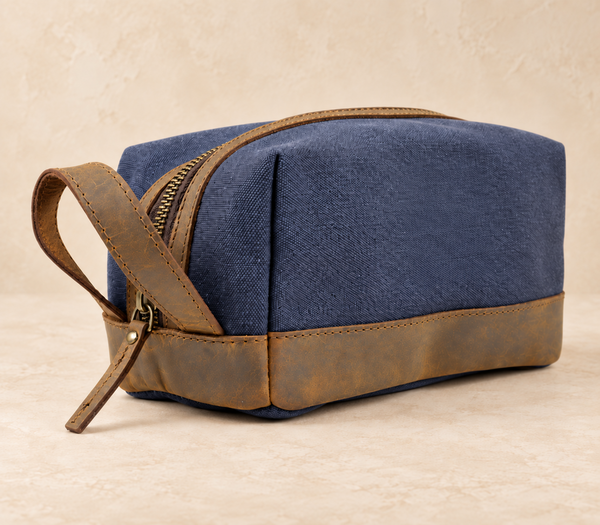
Hybrid constructions combine two or more material types within the same product, such as leather with canvas, textiles or synthetics. This approach can help create visual contrast, reduce overall weight or achieve a specific balance between design, performance and commercial positioning.
Hybrid products require careful development because different materials may behave differently during cutting, stitching, bonding, folding and finishing. Their thickness, flexibility and reinforcement requirements therefore need to be considered together.
Buyer Consideration: Hybrid material choices should be defined with the intended construction and use in mind so that the different components work together consistently in the finished product.
5. Match the Material to the Product Positioning
The best material is not simply the most expensive or visually impressive option. It should support the intended product category, target market, expected use and commercial positioning of the programme.
A premium leather construction may suit one collection, while a textile, synthetic or hybrid option may be more appropriate for another. Factors such as product weight, durability, maintenance, structure, finish and target price should all be considered together.
Buyer Consideration: Material selection should be based on the complete product brief rather than appearance alone. The right choice is the material that best supports the design, function and manufacturing requirements of the finished bag.
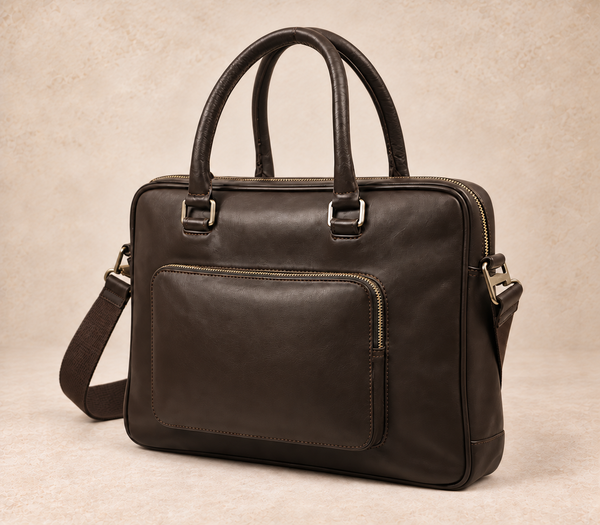
Choosing Materials With the Complete Product in Mind
Material selection works best when it is considered as part of the complete product-development process. Appearance, structure, durability, weight, finishing, hardware, reinforcement and target price all influence which material is most suitable for a particular programme.
For brands, importers and sourcing partners, defining these requirements clearly at the development stage helps manufacturers prepare more relevant samples and reduces unnecessary changes later in the process.
At Amin International Ltd., we work across genuine leather, textiles, synthetics and hybrid material combinations for bags and other private-label product categories.
Planning a new bag development? Share your product brief, material direction or reference sample with our team through the Enquiry section of our website.
