


Messenger bags remain a versatile category for business, travel and everyday carry programmes, but developing one successfully for private-label manufacturing requires more than selecting a shape and material. Buyers need to define how the product should function, what it needs to carry, how it should be constructed and where the brand wants to position it commercially.
From dimensions and laptop compatibility to materials, strap construction, hardware, internal organisation and branding, each specification influences the final appearance, performance and manufacturability of the product.
For brands, importers and sourcing partners, a clear product brief helps the development team translate the concept into a practical sample and, ultimately, a consistent bulk-production programme.
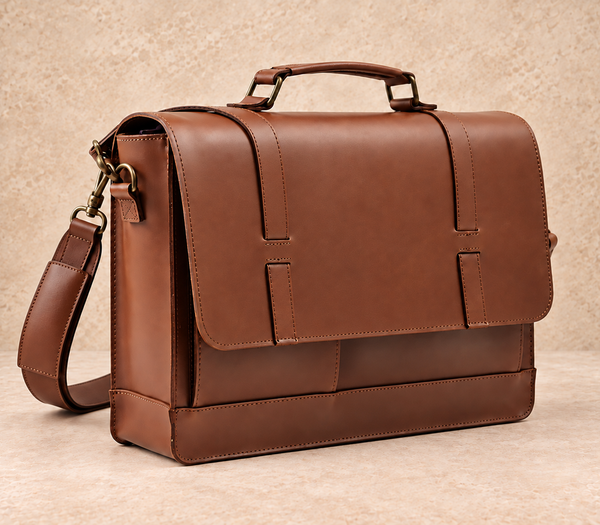
1. Define the Product Size and Intended Use
Dimensions should be defined around the product’s intended use and what the customer expects it to carry. For business and commuter messenger bags, this often includes documents, a laptop or tablet, chargers and everyday essentials. The required capacity will influence the bag’s width, height, depth, gusset construction and internal organisation.
Buyer specifications should define the required capacity clearly:
- Compact programmes: Suitable where the product is intended for essentials such as a phone, wallet, small notebook and personal items.
- Business / work programmes: If the bag must carry a laptop, tablet or documents, specify the device size, padded compartment requirements and space needed for chargers or accessories.
- Travel / commuter programmes: Larger messenger bags may require additional gusset depth, multiple compartments and better internal organisation to manage documents, electronics and personal items.
Development Tip: Always confirm the internal usable dimensions, not only the external bag size, especially when the design must accommodate a particular laptop or tablet.
2. Select the Material and Construction Direction
Material selection influences not only the appearance of a messenger bag, but also its structure, hand feel, durability, weight and commercial positioning. Depending on the programme, the product may be developed in genuine leather, canvas, textiles, synthetics or hybrid material combinations.
The material should be selected together with the intended construction, reinforcement and finishing requirements so that the final product performs as expected and can be reproduced consistently in bulk production.
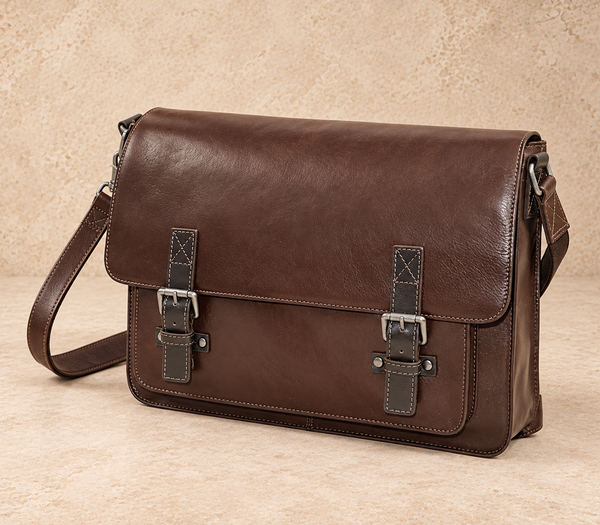
- Genuine Leather: Suitable for premium and structured programmes where the buyer wants a refined appearance, natural character and long-term durability. Leather type, thickness, finish and temper should be defined during development.
- Canvas and Textiles: Useful for lighter-weight or more casual messenger bags. Fabric weight, weave, backing, coating and reinforcement requirements should be considered according to the intended use.
- Synthetic Materials: Can support lightweight construction, specific surface finishes, easier maintenance or programme-specific performance requirements.
- Hybrid Constructions: Combining leather trims with canvas, textiles or synthetics can help create contrast, control weight and achieve a particular price or design position.
Buyer Consideration: Material choice should also account for the target market, expected usage, climate conditions and any specific performance or compliance requirements of the customer programme.
3. Define the Functional Features
A messenger bag should be specified around how the buyer expects the product to function in actual use. Features such as compartment layout, closures, strap construction, padding and hardware should be defined early because they directly affect both user experience and manufacturing complexity.
Key features to specify include:
- Adjustable Shoulder Strap: Specify strap width, adjustment range, attachment points and whether a shoulder pad is required.
- Laptop or Tablet Compartment: Define the intended device size, padding level, closure method and internal position.
- External Access Pockets: Useful for documents, phones, travel cards or other frequently accessed items. Their placement should balance convenience with overall design.
- Main Compartment Closure: Zippers, flap closures, magnetic fittings, buckles or combinations of these should be selected according to security, styling and ease of use.
- Internal Organisation: Buyers may specify document sections, pen loops, phone pockets, zipper pockets, key holders or other organisation features depending on the programme.
Buyer Consideration: The feature set should be based on the intended end use, target customer and price positioning, while avoiding unnecessary components that add complexity without meaningful value.
4. Specify Comfort and Carrying Requirements
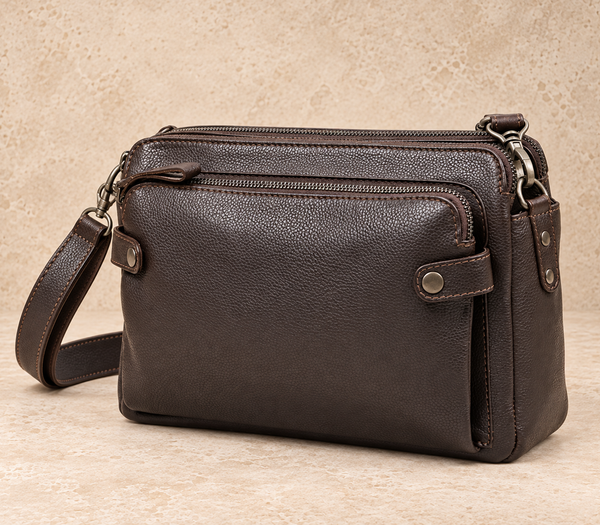
Comfort should be considered during product development, particularly for messenger bags intended to carry laptops, documents or heavier everyday loads. Strap construction, attachment points and overall weight distribution can significantly affect how the finished product performs in use.
- Strap Width: Wider straps can distribute weight more effectively when the bag is loaded.
- Shoulder Pad: A padded or shaped shoulder pad may be specified for programmes where additional carrying comfort is required.
- Adjustment Range: The strap length and adjuster position should accommodate the intended crossbody or shoulder-carry configuration.
- Attachment Points: D-rings, loops and other strap attachments should be positioned and reinforced according to the expected load.
- Product Weight: Material selection, hardware and reinforcement should be considered together so the finished bag does not become unnecessarily heavy.
Development Consideration: Comfort should be evaluated on the actual sample with representative contents inside the bag, rather than judging the strap and carrying position only when the product is empty.
5. Define the Visual and Brand Direction
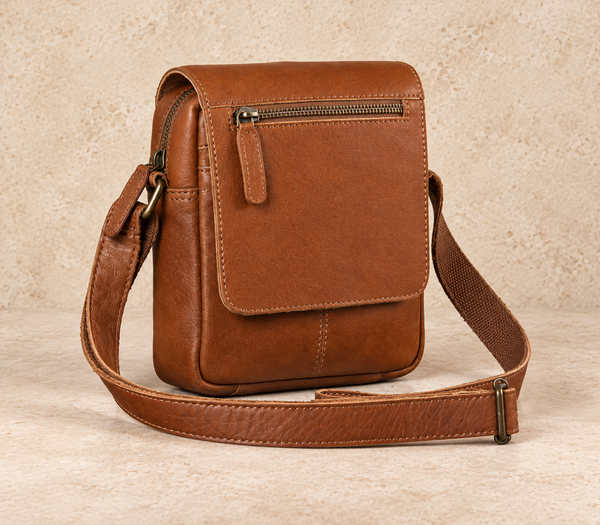
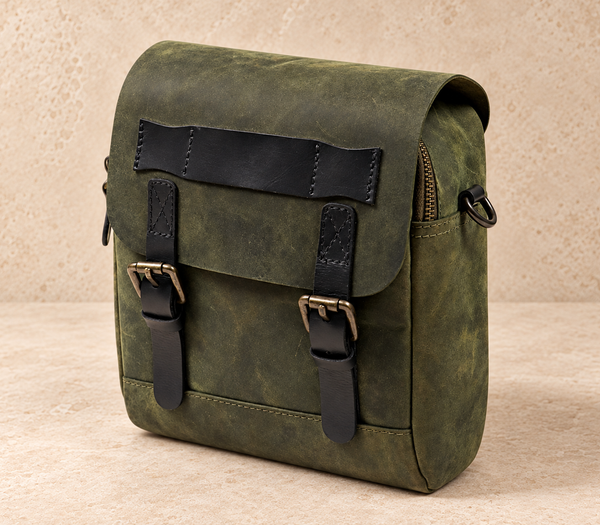
Functional requirements are only one part of messenger bag development. The product should also reflect the buyer’s brand language, target market and intended price positioning.- Colour Direction: Neutral shades may suit formal or business-focused programmes, while seasonal or fashion-led ranges may require broader colour development.
- Surface Character: Leather grain, canvas texture, coatings, washes and other finishes can significantly influence the final appearance.
- Hardware Finish: Buckles, adjusters, rivets, zipper pullers and other fittings should be coordinated with the overall design language.
- Branding Details: Logo embossing, debossing, metal branding, woven labels or printed elements should be defined during development.
- Contrast Elements: Piping, edge colour, stitching, trims and mixed-material construction can be used to create a more distinctive product identity.
From Specification to Successful Production
A well-developed messenger bag is the result of many connected decisions. Dimensions, materials, internal organisation, strap construction, hardware, branding and finishing all need to work together to achieve the intended function, appearance and commercial positioning.
For brands, importers and sourcing partners, defining these requirements clearly at the development stage helps manufacturers prepare more accurate samples, reduce unnecessary revisions and establish a stronger foundation for consistent bulk production.
At Amin International Ltd., we support customers through product development, material selection, sampling and manufacturing across messenger bags and other leather, non-leather and hybrid product categories.
Planning a private-label messenger bag programme? Share your product brief, reference sample or development requirements with our team through the Enquiry section of our website.
